


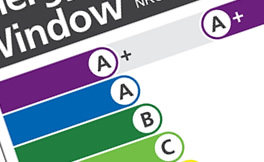

Low emissivity glass, which is mostly referred to as Low-E glass or in the manufacturing industry as Planibel A, is energy efficient with the application of a special coating. This particular film is able to reduce the level of heat escaping through windows or doors from the interior to the outside environment.
Low-E Glass Benefits Explained
As an advantage, Low-E glass also limits the amount of ultraviolet and infrared light that passes through the glassware with little impact to the quantity of visible light that enters the property. The benefits are low risk of fade damage to furniture and materials’ colours due to negligible ultraviolet rays, and cooler internal temperature in the summer as infrared light is reflected away.
Older installations of uPVC and timber double glazing windows and doors will likely have normal clear glass. This is because the Low-E or Planibel A technology did not exist when they first began to be installed. If you have an older installation, then the chances are that your windows are not energy efficient as they could be and you may be consuming more fuel to heat your home.
A+ Rated Glass Windows
Preston Glass Fix is able to provide Low-E glazing when you replace your glass to enable you to benefit from improved energy efficiency. Save money through lower monthly energy bills as efficient windows will prevent thermal energy escaping by almost 75%. With our A+ rated glass you can lower the size of your carbon footprint whilst you save money from lower energy consumption.
Planibel A Glass
With our Planibel A glass units we can achieve a high solar factor, which increases the free solar heat gain and a low Ug value. This is maximised by filling with Argon gas and using insulating Warm Edge spacers. This is particularly important to meet standards for new eco-friendly homes in gaining an 'A' rating. As it becomes crucial to reduce energy costs this type of glazing is valuable and we offer competitive prices.